
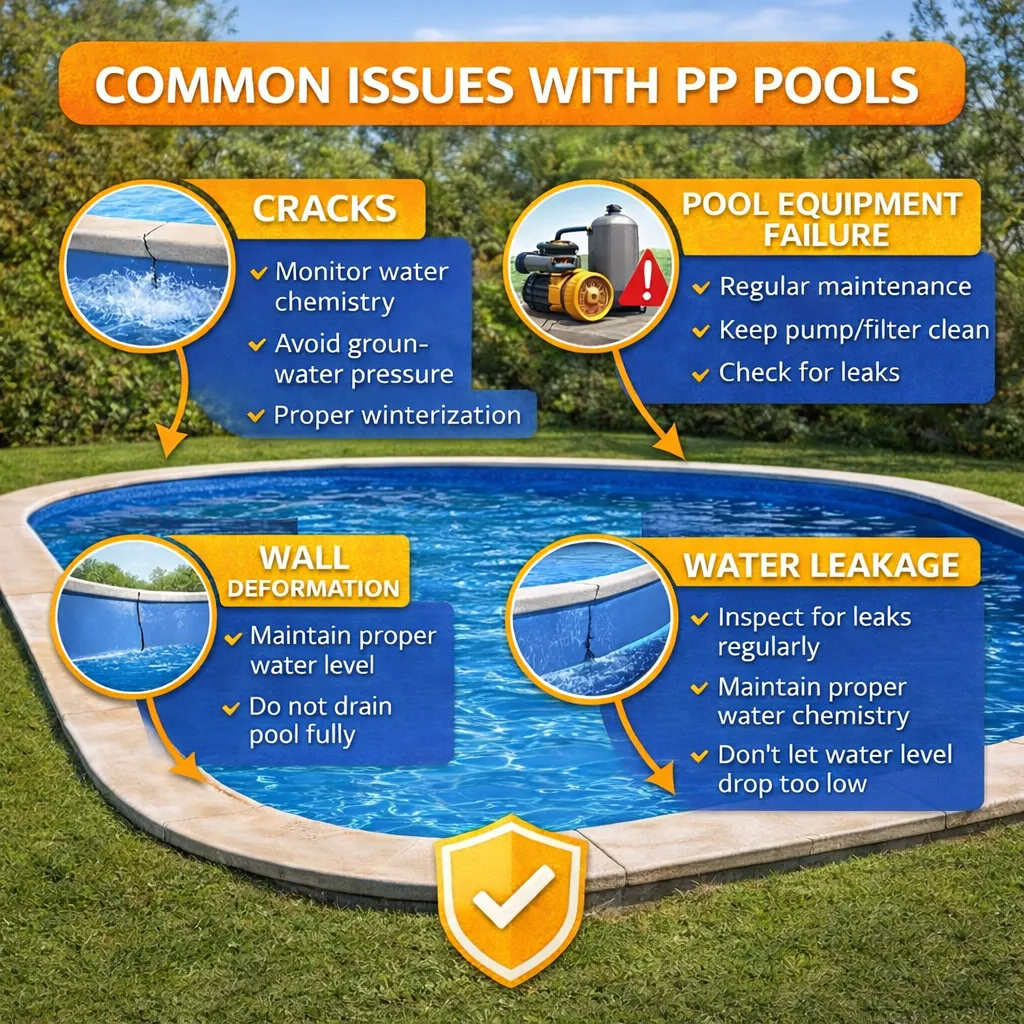
Most common issues in PP pools and how to prevent them
PP (polypropylene) pools are highly reliable when properly manufactured and installed. In practice, most “failures” do not occur on the PP shell itself, but on…
33 results
PP (polypropylene) pools are highly reliable when properly manufactured and installed. In practice, most “failures” do not occur on the PP shell itself, but on…
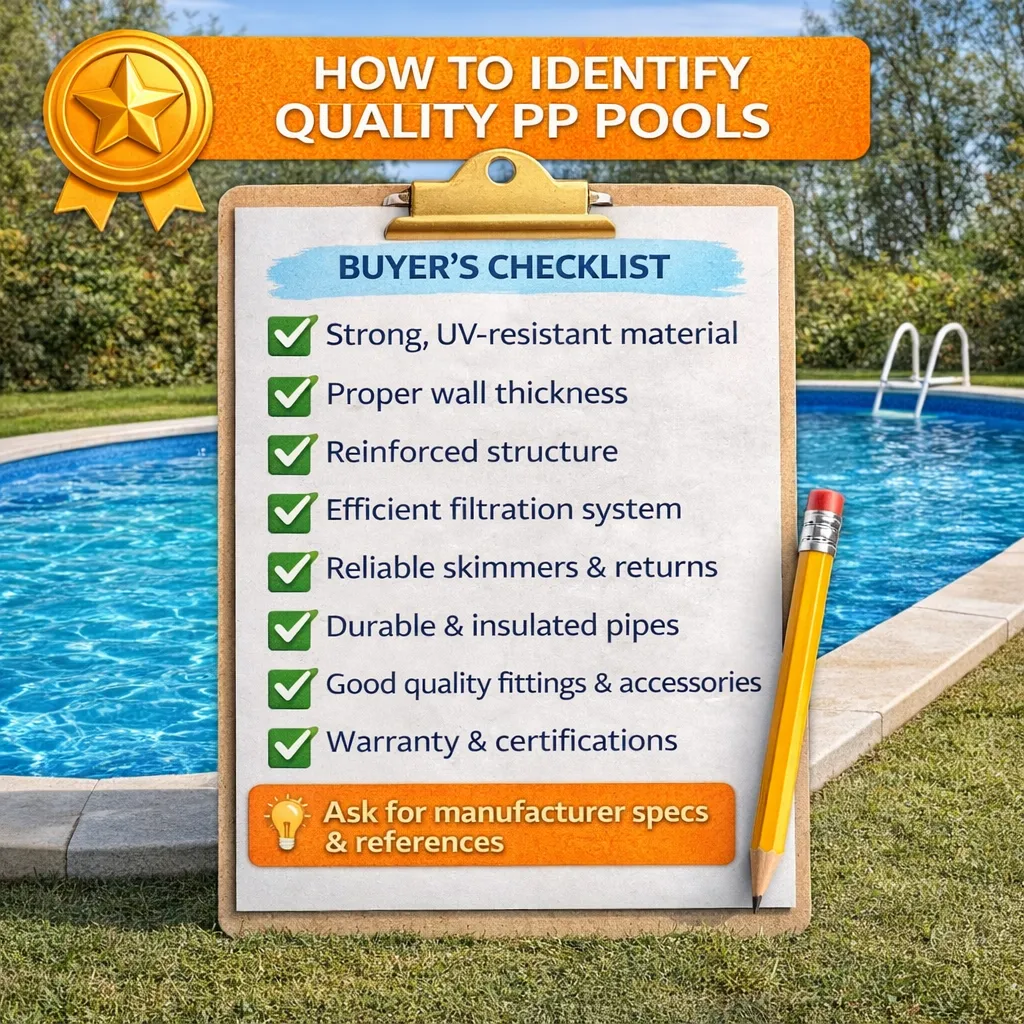
Buying a PP (polypropylene) pool is a long-term investment. Two pools may look similar, but differ greatly in stability, durability, and maintenance. This…
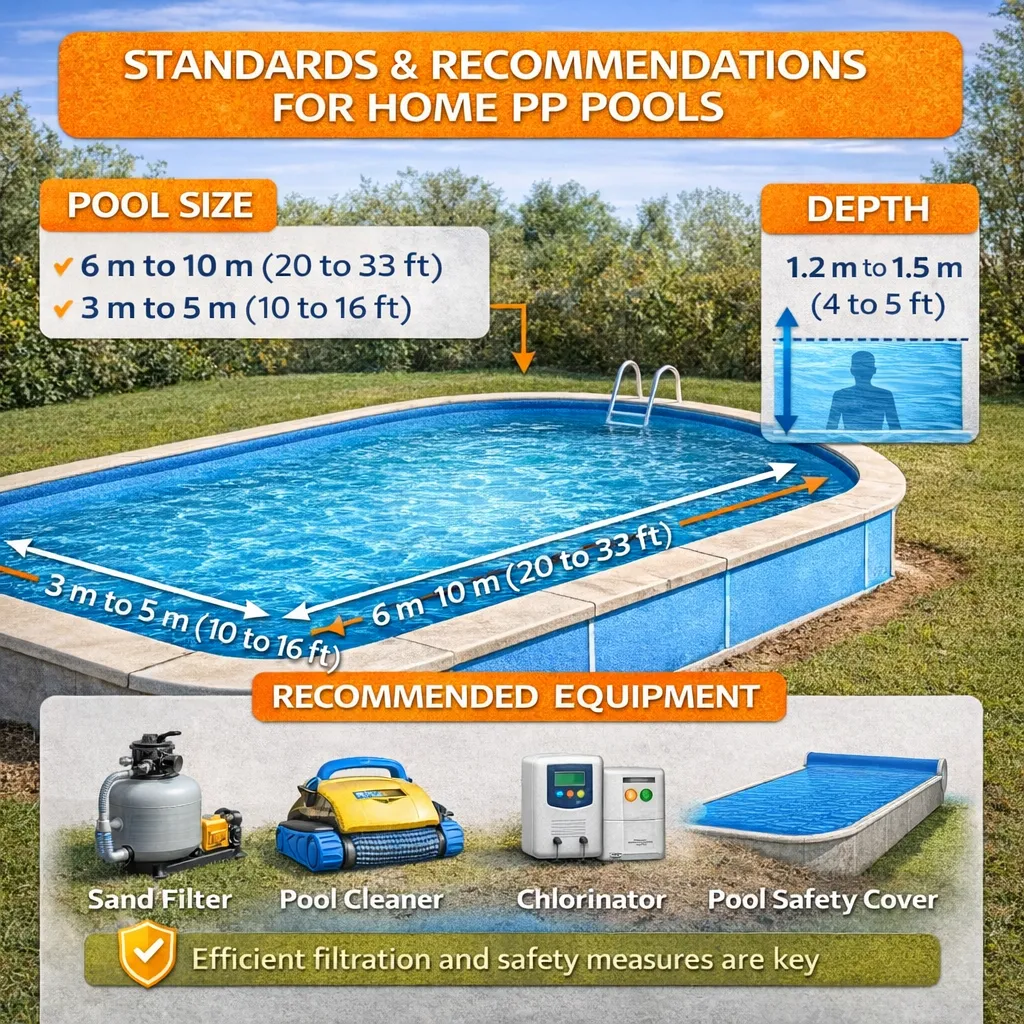
Home PP (polypropylene) pools should be tailored to real family needs, available space, and usage style. While there is no single perfect size, proven…
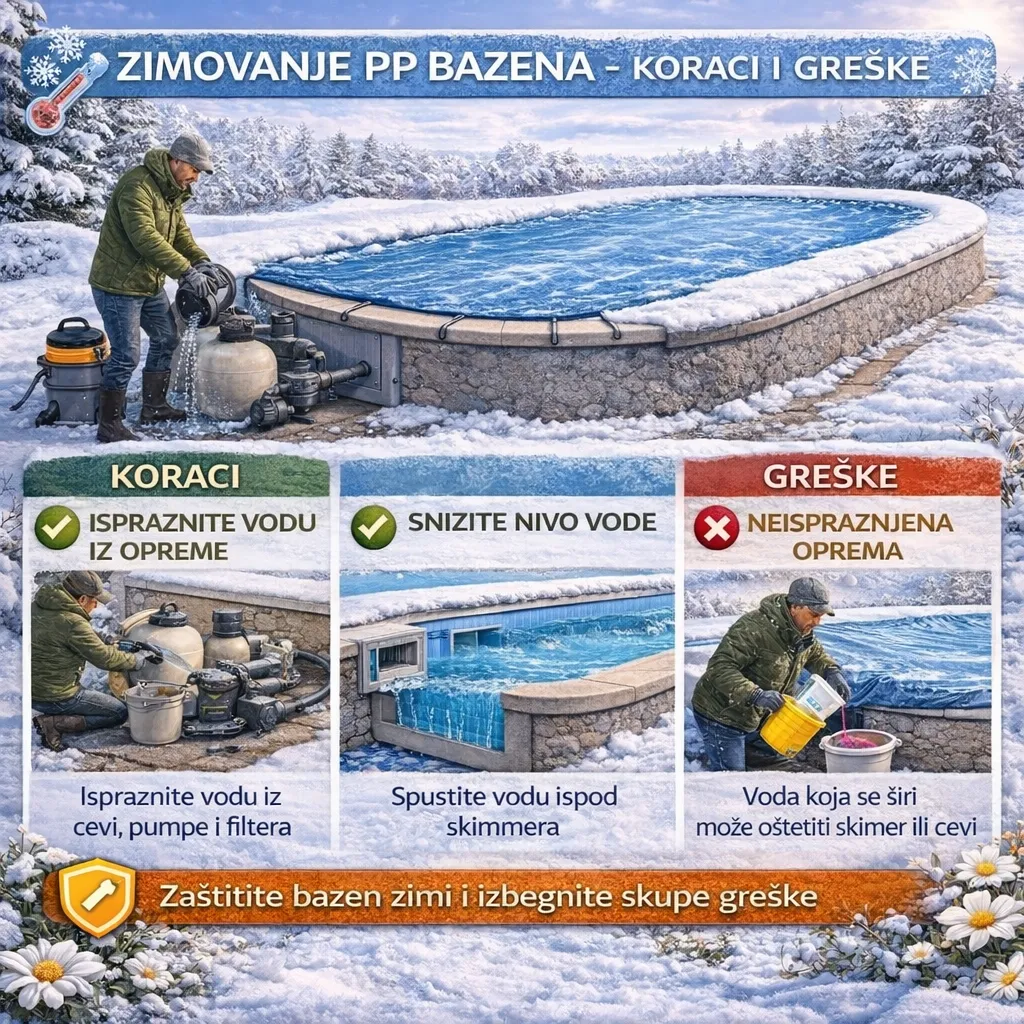
Winterizing is essential for any PP (polypropylene) pool in climates with frost. The goal is to protect equipment and plumbing from freeze damage. Most winter…
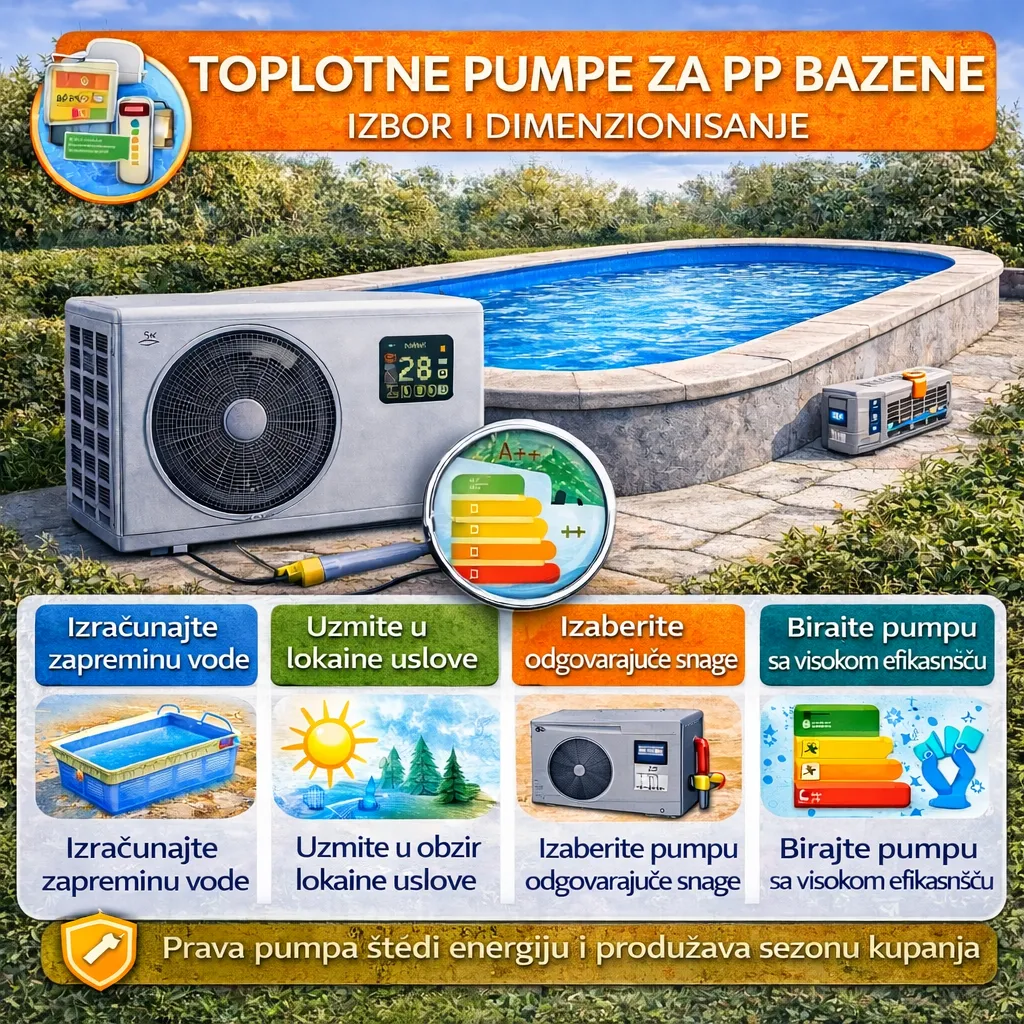
A heat pump is the most common heating solution for residential PP (polypropylene) pools because it offers an excellent balance of operating cost and…
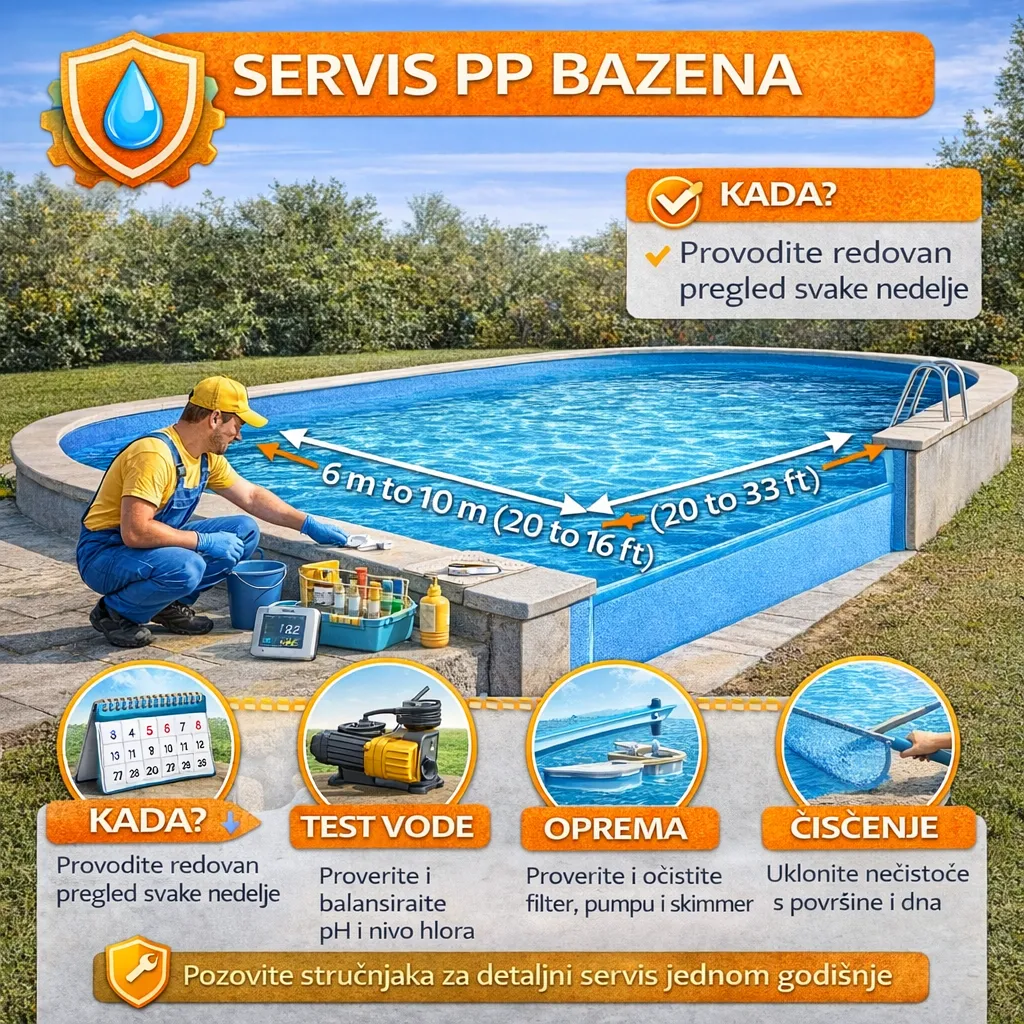
Servicing a PP (polypropylene) pool mainly means servicing the equipment and plumbing: pump, filter, heating, automation, and fittings. The PP shell itself is…
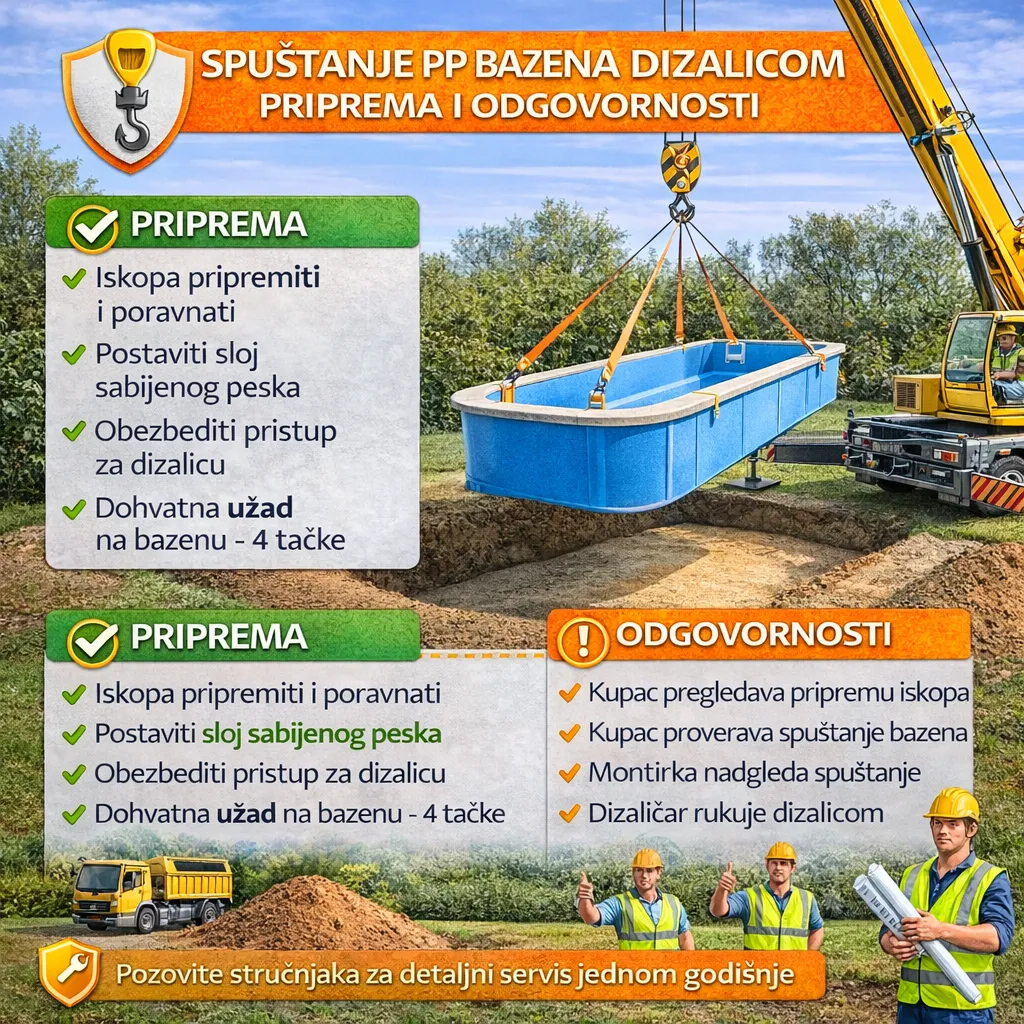
Lowering a PP (polypropylene) pool with a crane is a critical installation phase. Proper preparation and clearly defined responsibilities help avoid damage…
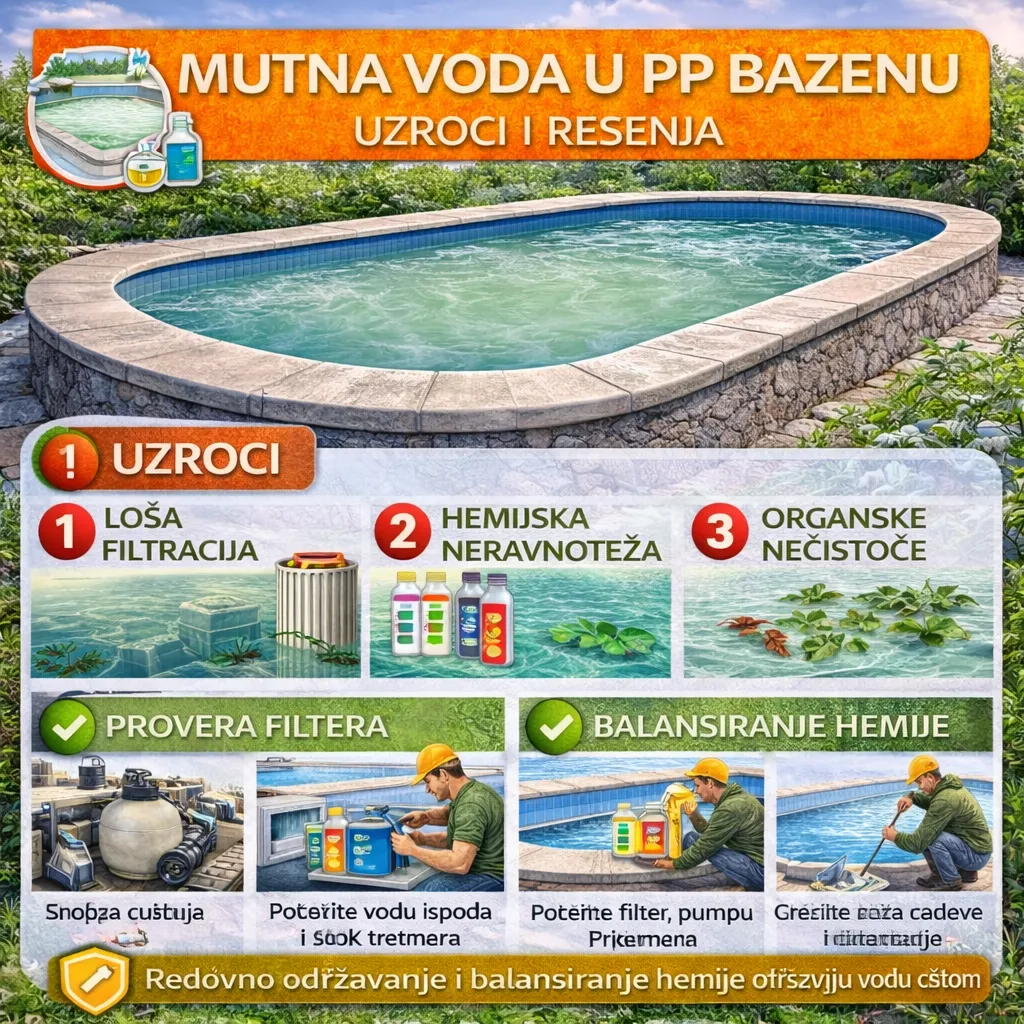
Cloudy water is a common pool issue, including in PP (polypropylene) pools. In most cases the cause is predictable: insufficient filtration, incorrect pH, low…