
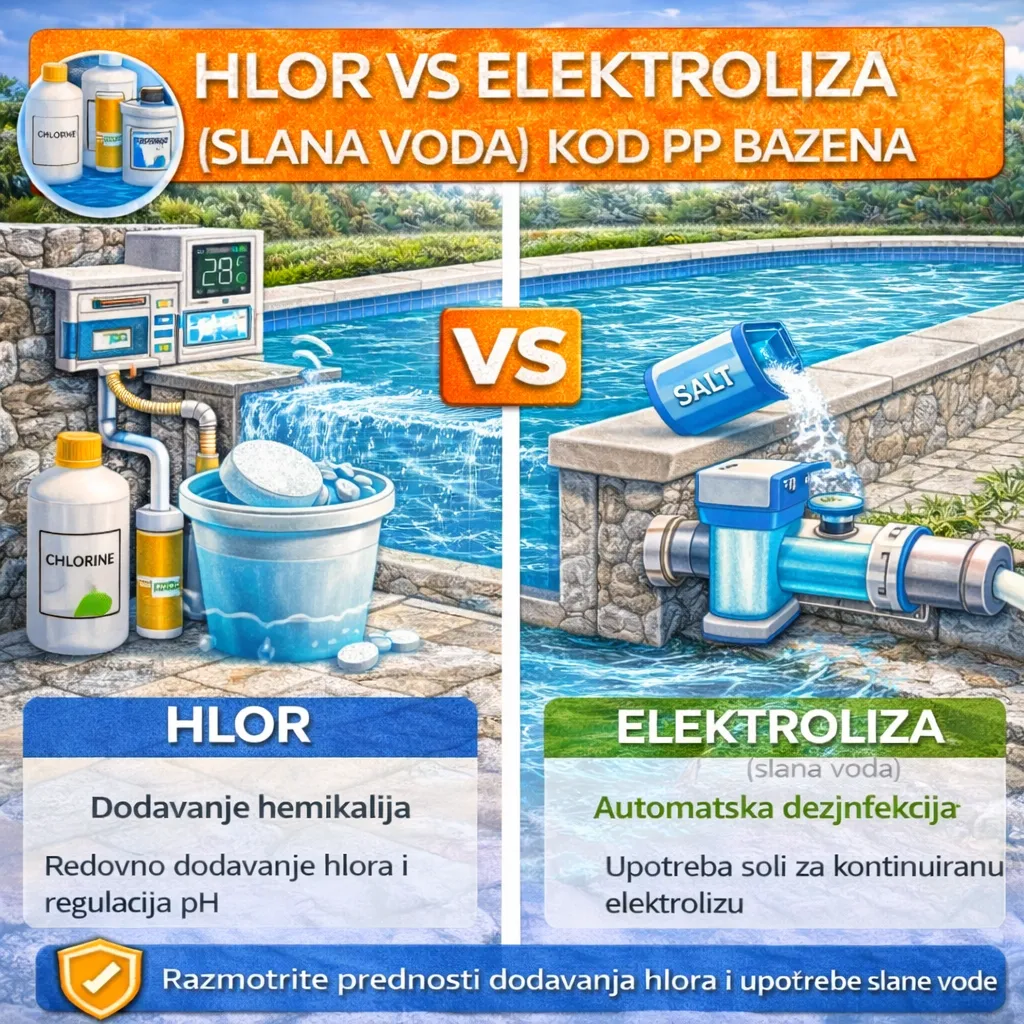
Chlorine vs salt electrolysis in PP pools
In PP (polypropylene) pools, water disinfection is most commonly done using classic chlorine or salt electrolysis (“saltwater”). Both methods are effe...
56 results
In PP (polypropylene) pools, water disinfection is most commonly done using classic chlorine or salt electrolysis (“saltwater”). Both methods are effe...
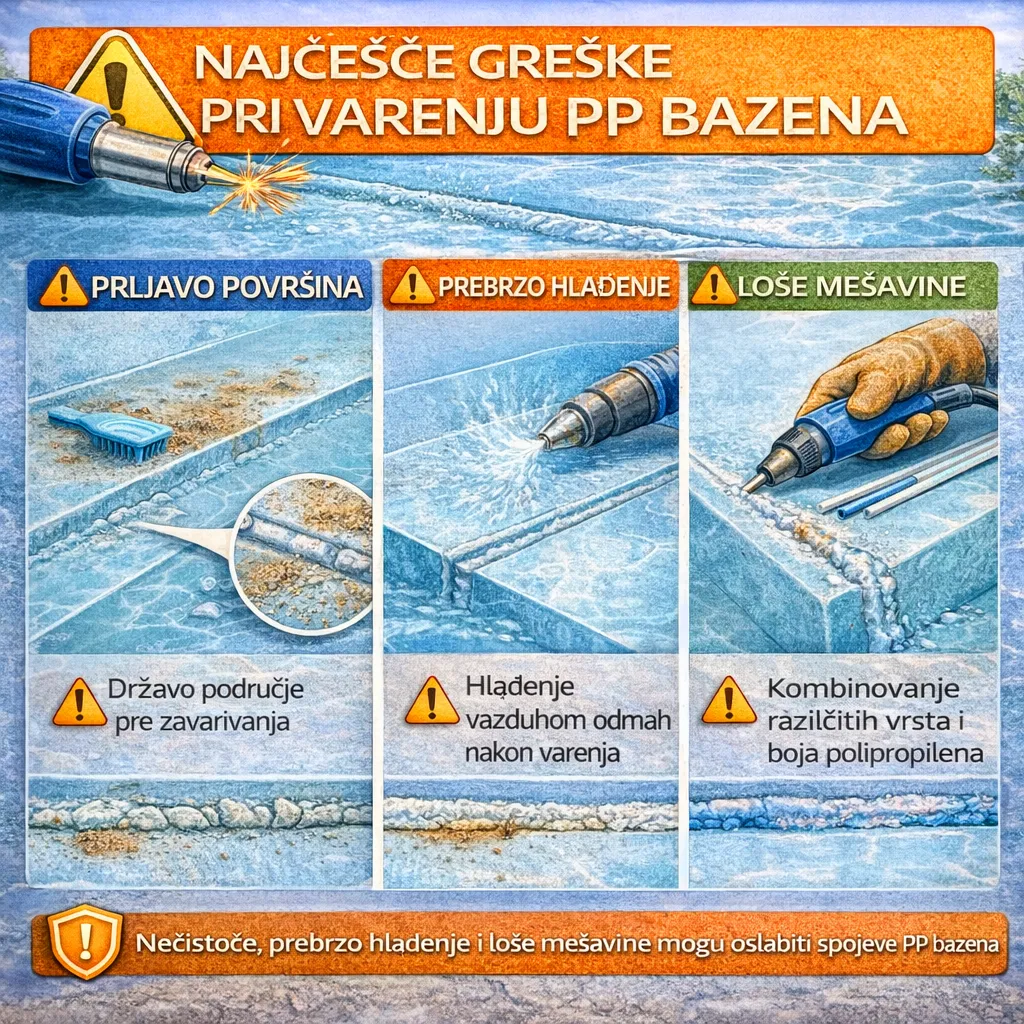
Welding is a critical step in PP (polypropylene) pool construction. Many mistakes are not immediately visible and appear only after months or years of...
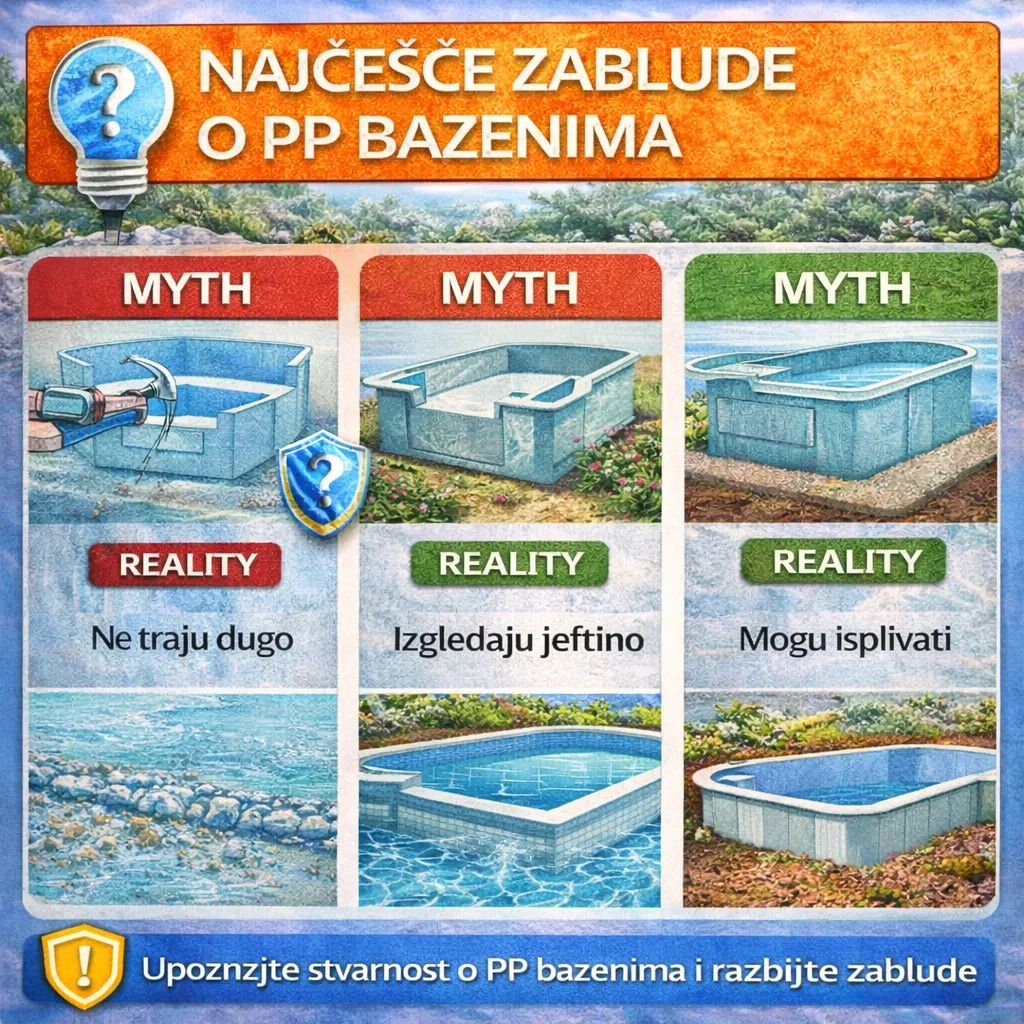
PP (polypropylene) pools have become increasingly popular, so it’s normal that many “stories” circulate – some from lack of knowledge, some from bad e...
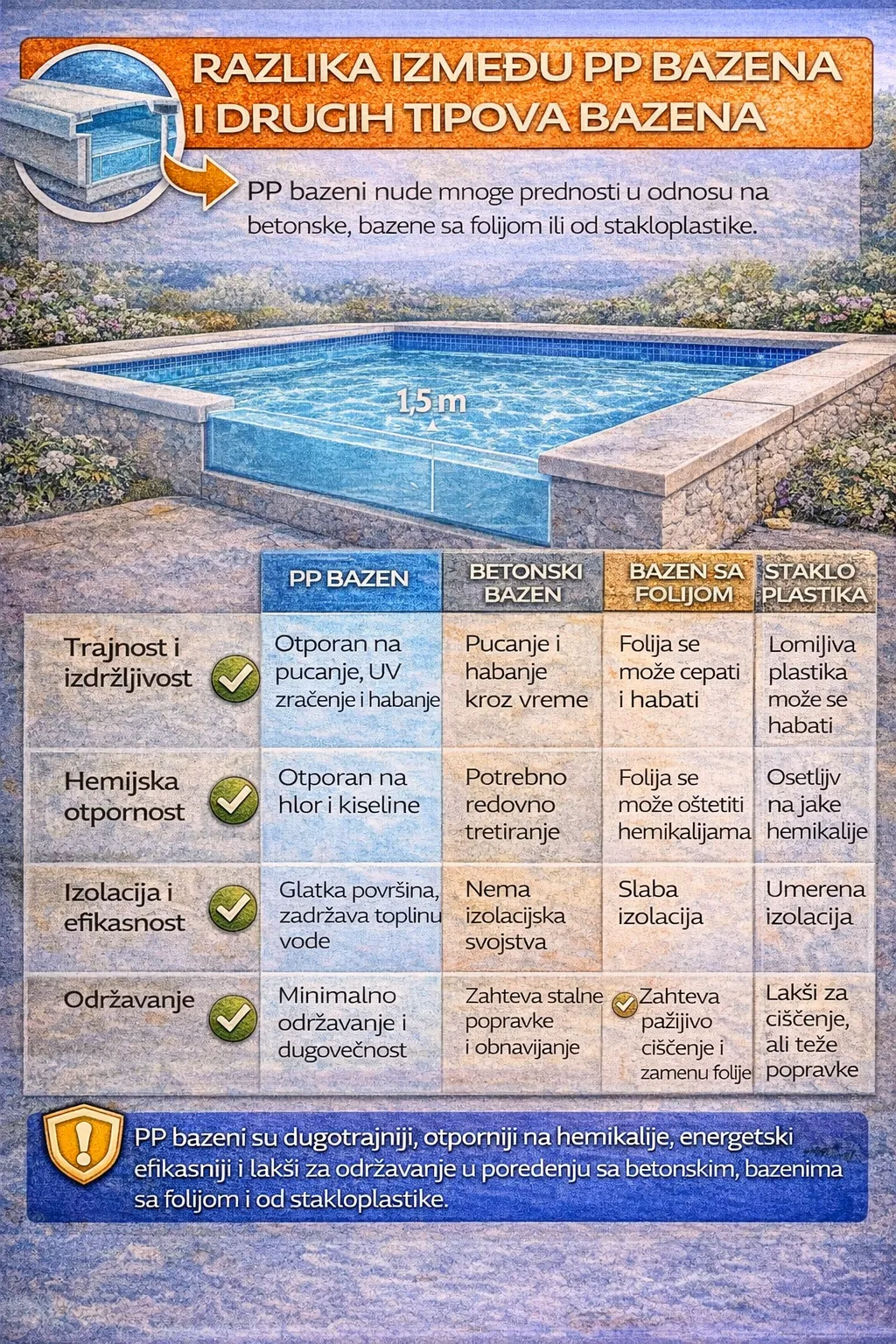
When people say “a swimming pool,” it can sound like a single product – a hole in the ground filled with water. In real life, the differences between ...
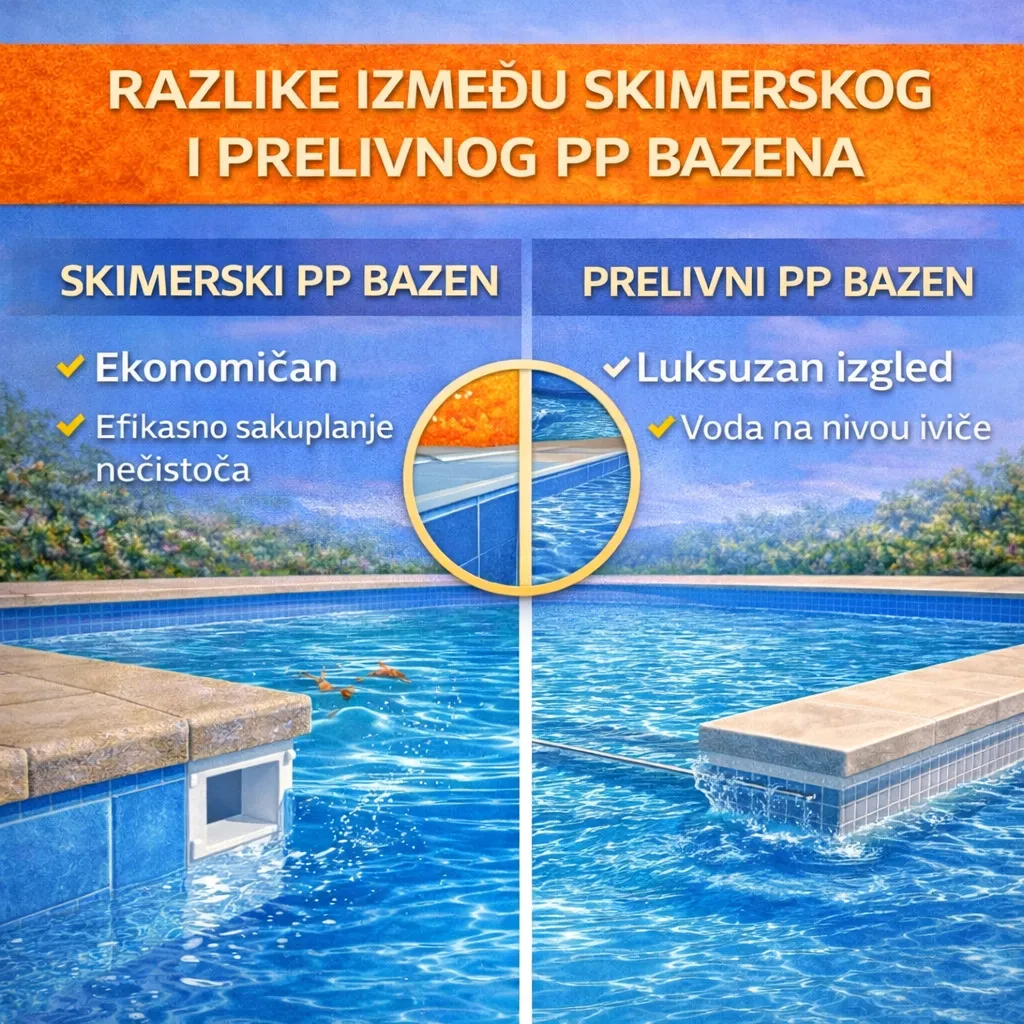
Skimmer and overflow PP (polypropylene) pools differ primarily in water circulation and level control. Both systems can be built to high quality stand...
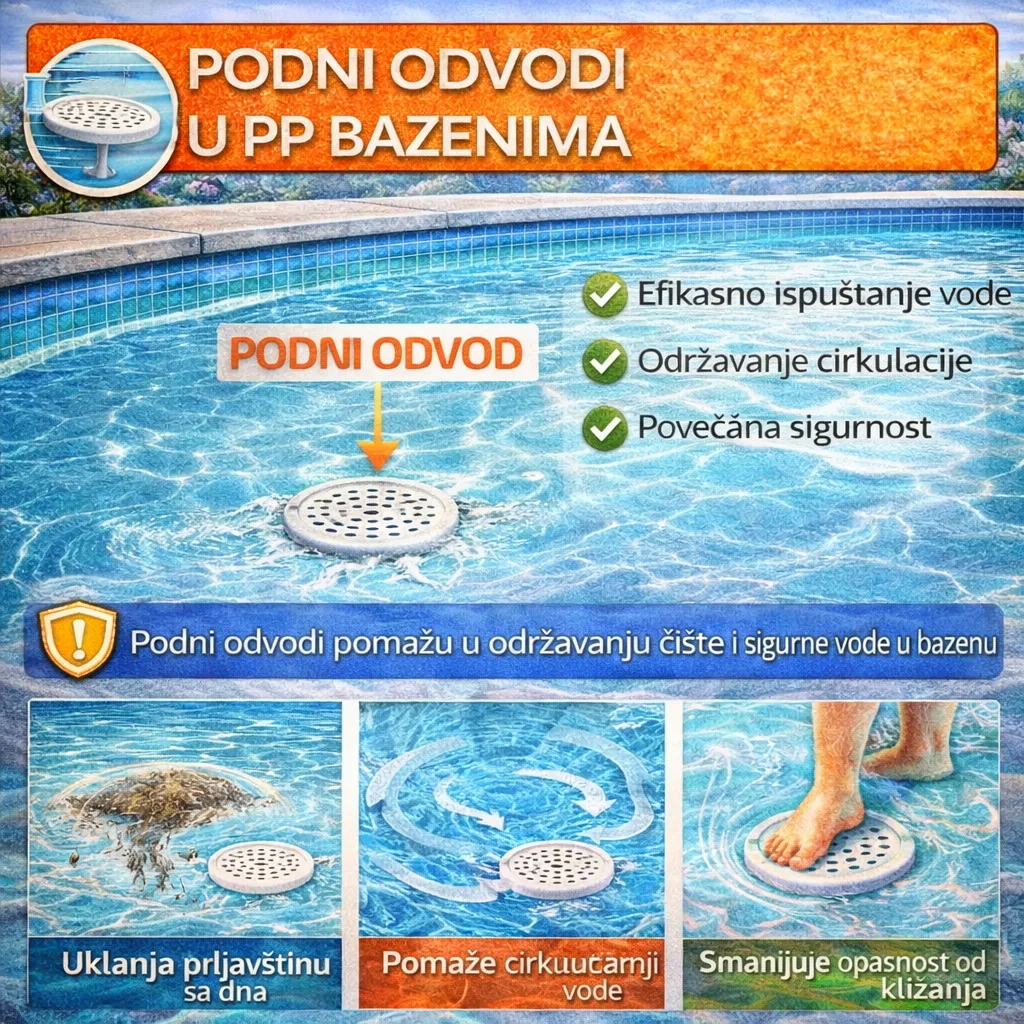
Main drains are an important safety and functional component of PP (polypropylene) pools. They support proper water circulation, effective drainage, a...
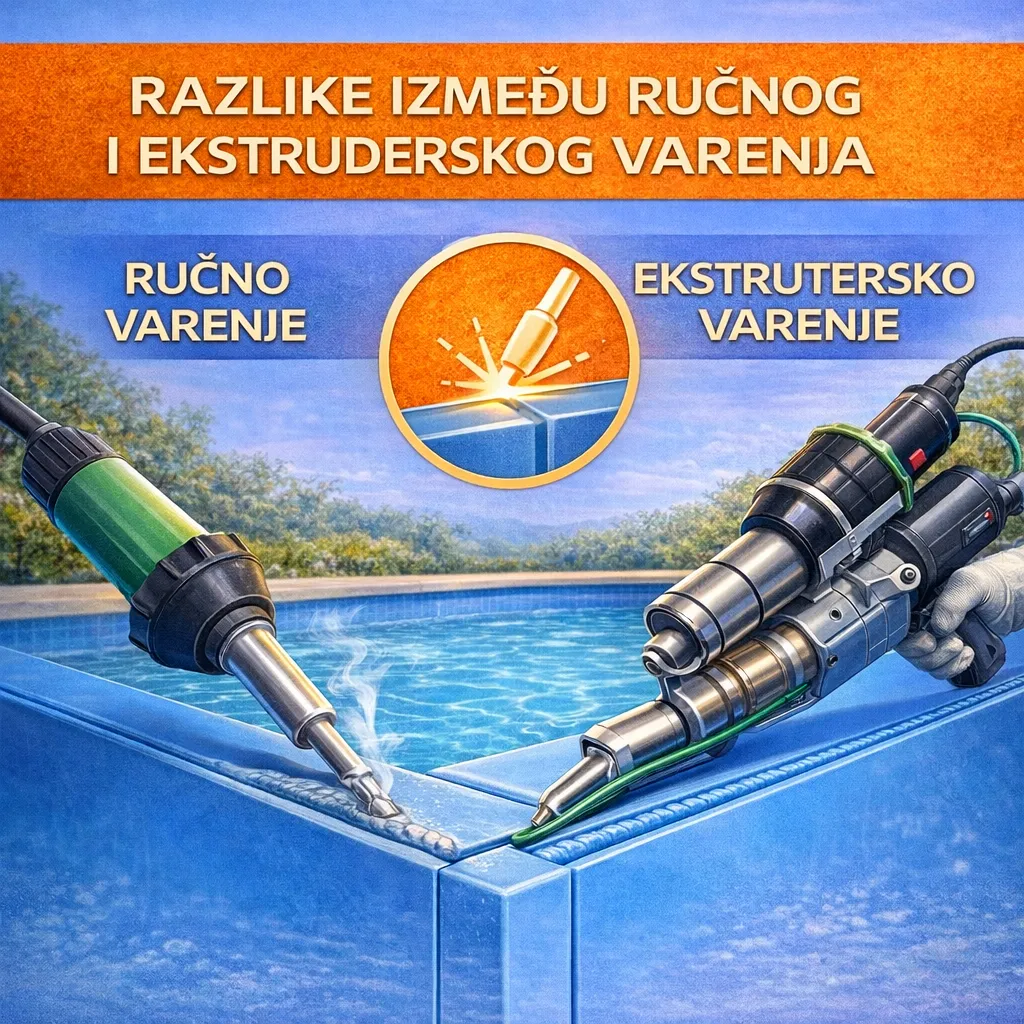
Welding is a critical process in PP (polypropylene) pool construction because it directly affects strength, watertightness, and durability. Two main t...
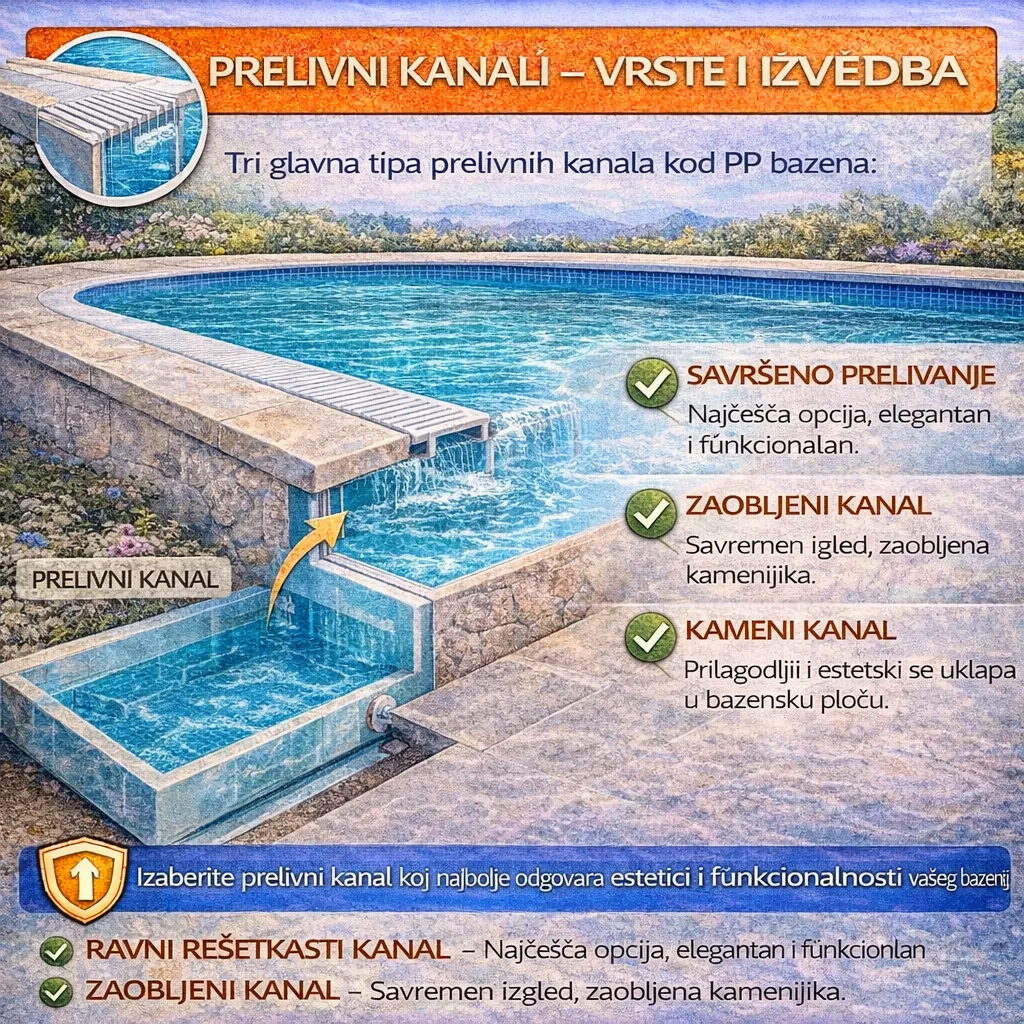
Overflow channels are a crucial component of every overflow PP (polypropylene) pool. Their purpose is to collect excess surface water, maintain a cons...