
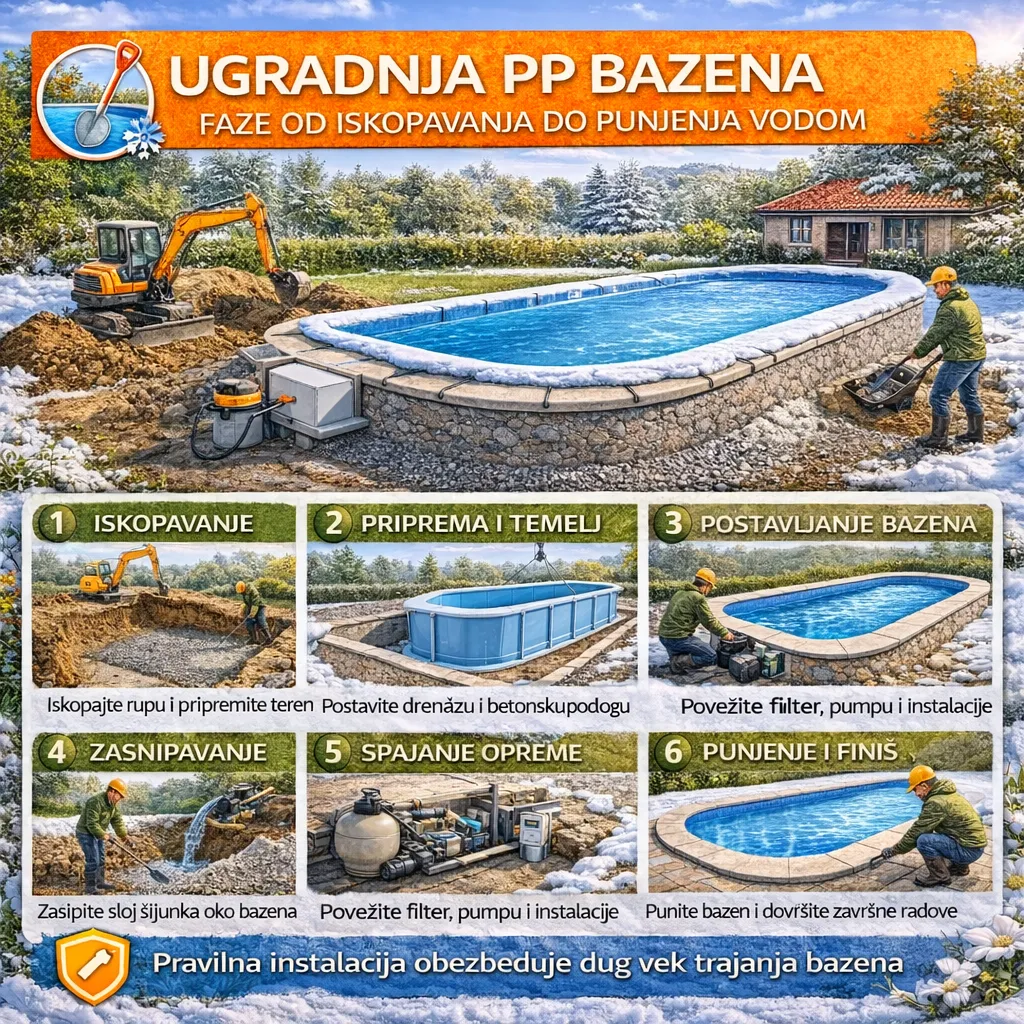
PP pool installation – phases from excavation to filling
Installing a PP (polypropylene) pool follows a clear sequence of phases. When each step is done correctly, the result is a stable, durable and safe swimming…
62 results
Installing a PP (polypropylene) pool follows a clear sequence of phases. When each step is done correctly, the result is a stable, durable and safe swimming…
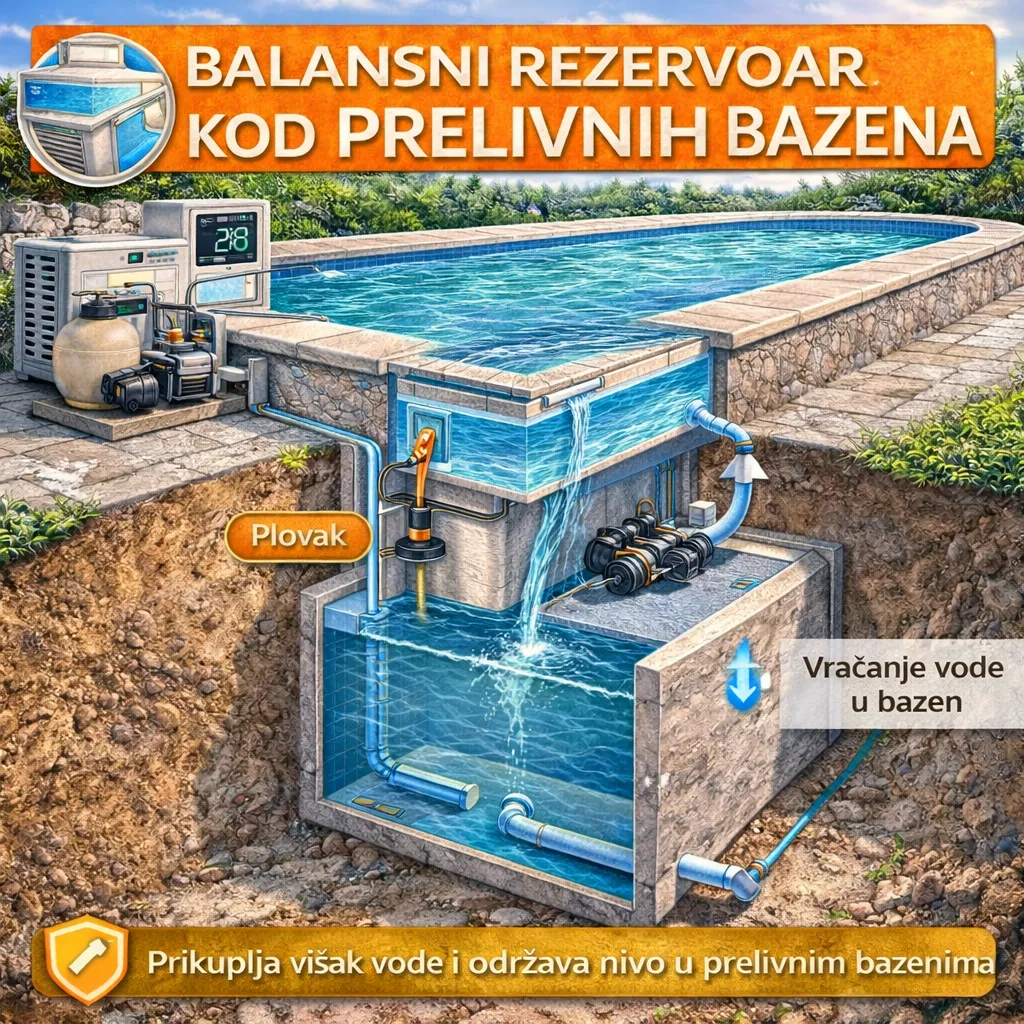
The balance tank is a key component of every overflow pool, including PP (polypropylene) overflow pools. Its main role is to maintain a constant water...

A bench seat is a functional and comfort-enhancing feature of a PP (polypropylene) pool. It allows users to relax in the water, socialize, and enjoy t...
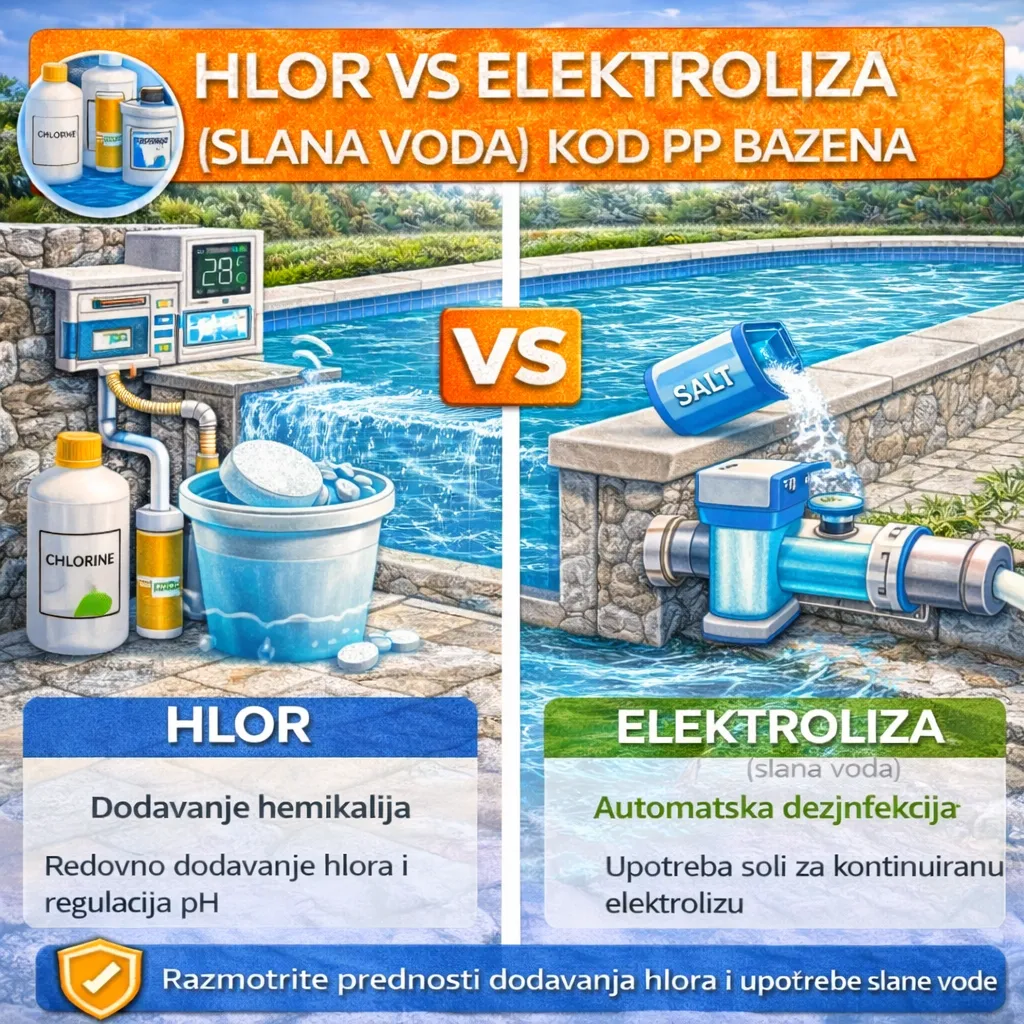
In PP (polypropylene) pools, water disinfection is most commonly done using classic chlorine or salt electrolysis (“saltwater”). Both methods are effe...
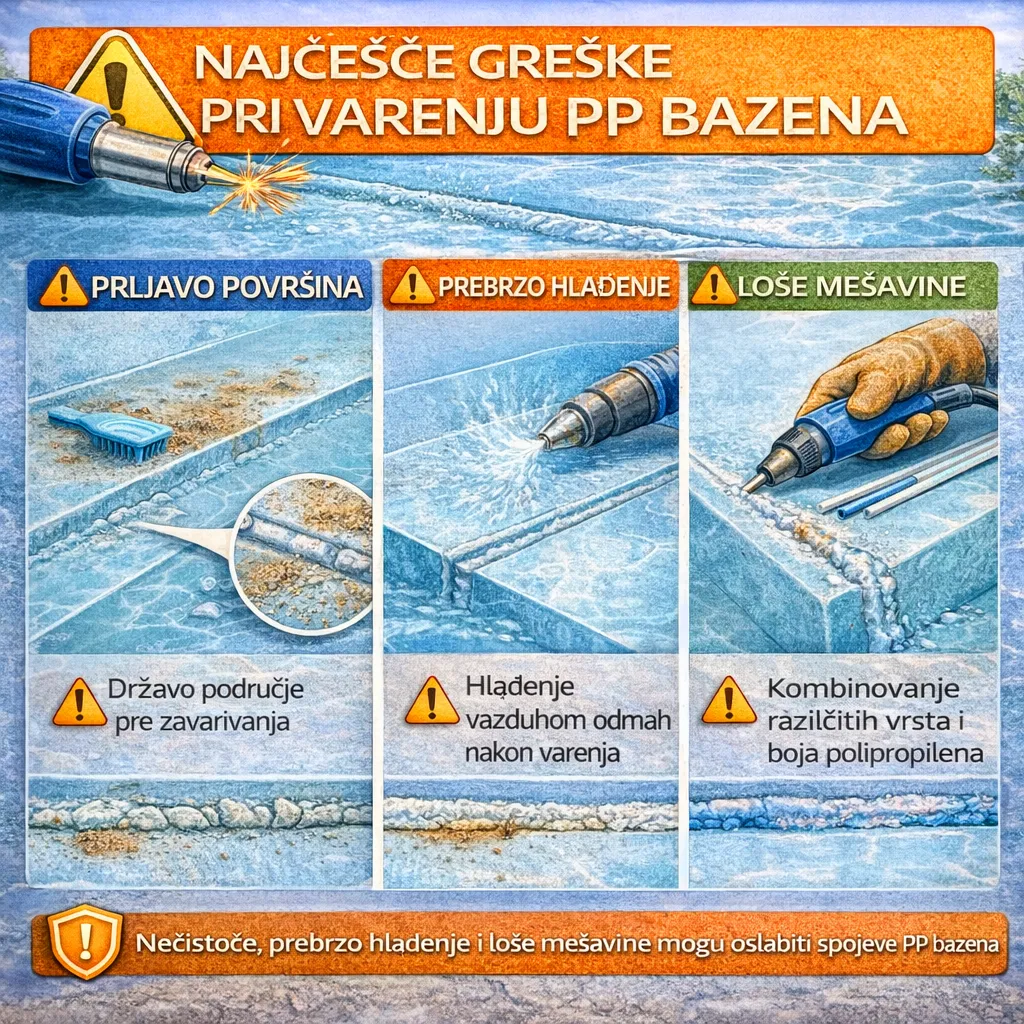
Welding is a critical step in PP (polypropylene) pool construction. Many mistakes are not immediately visible and appear only after months or years of...
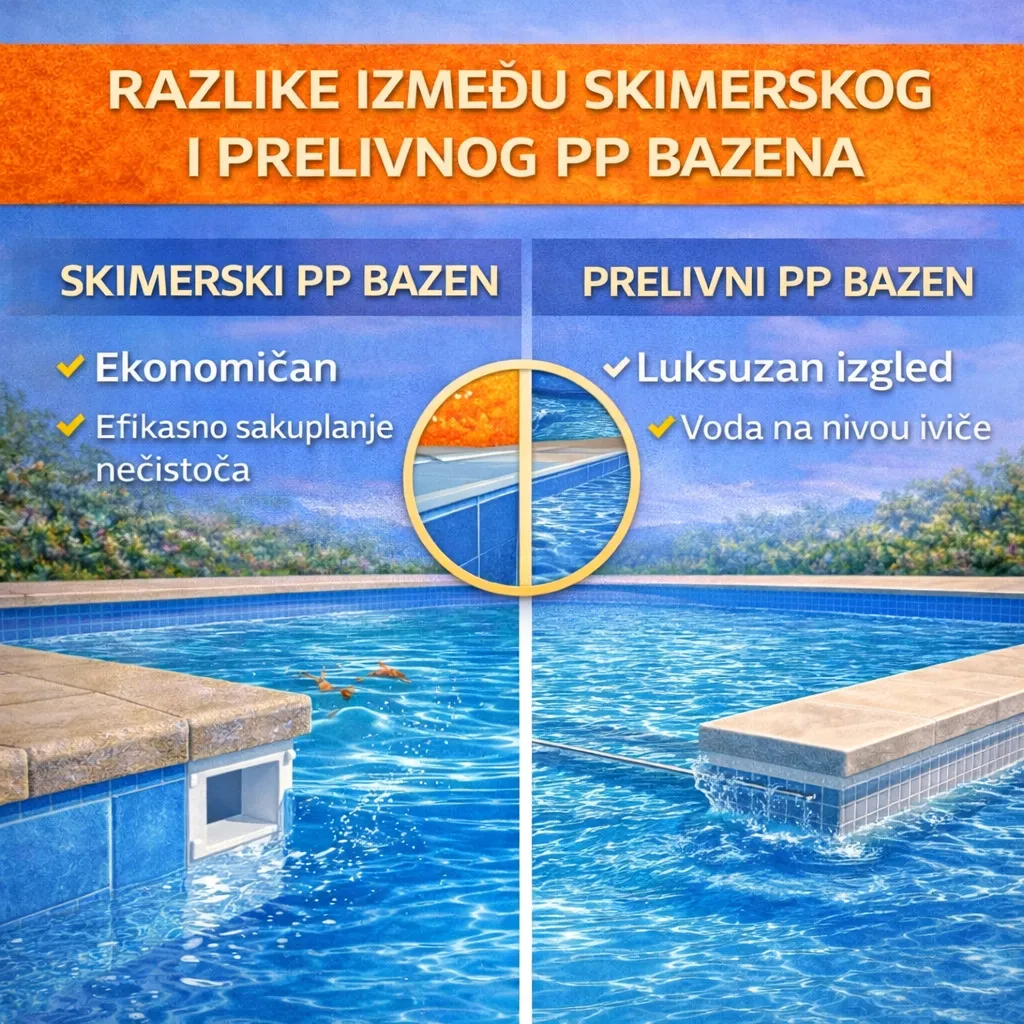
Skimmer and overflow PP (polypropylene) pools differ primarily in water circulation and level control. Both systems can be built to high quality stand...
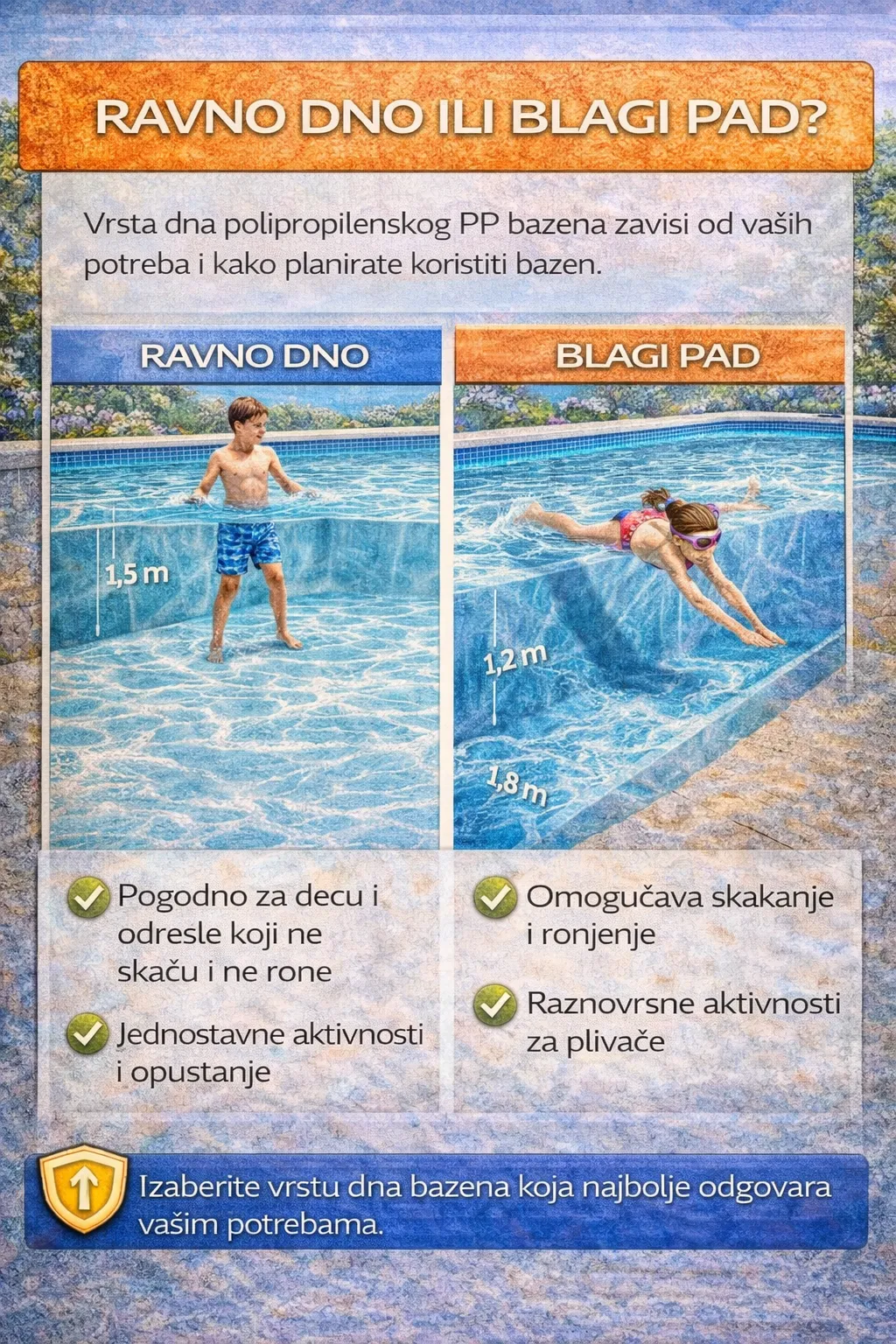
When designing a PP (polypropylene) pool, one common question is whether to choose a flat bottom or a slight slope toward the drain.
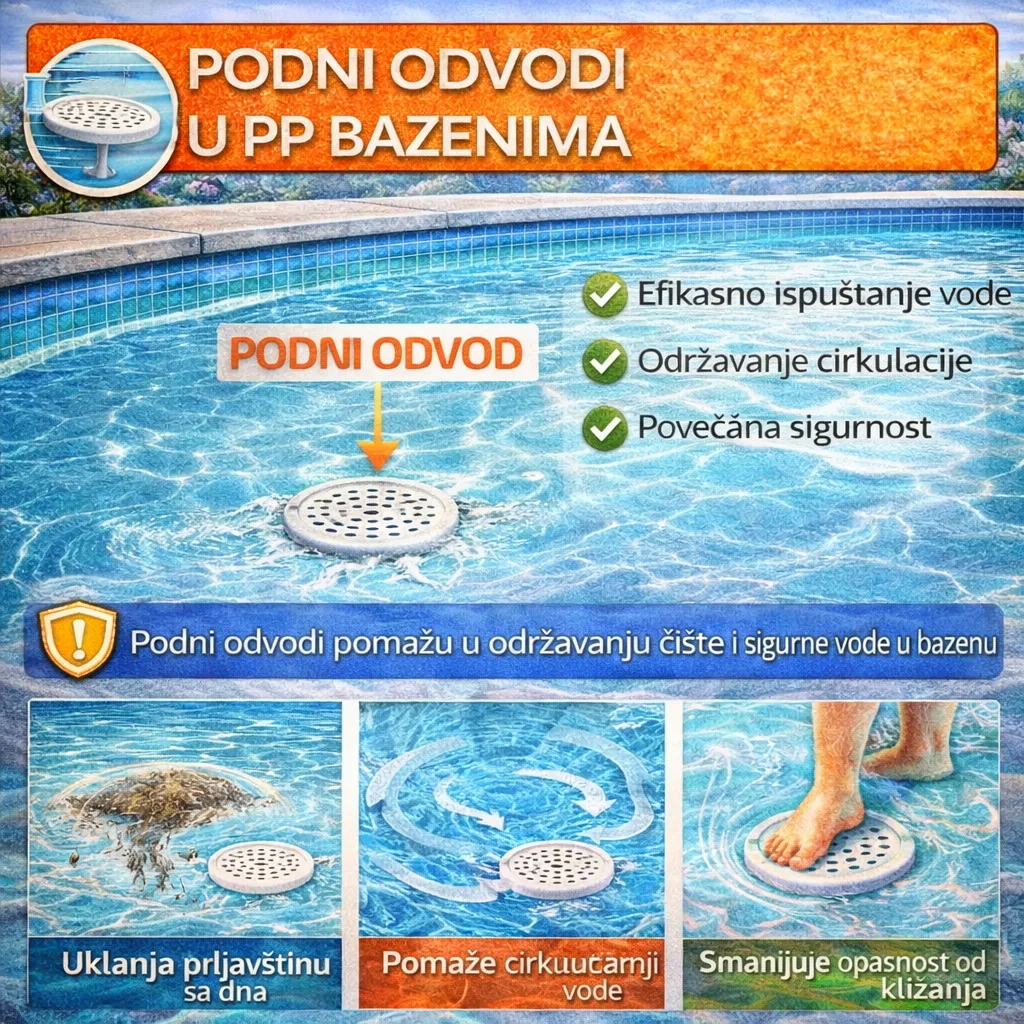
Main drains are an important safety and functional component of PP (polypropylene) pools. They support proper water circulation, effective drainage, a...